Staying hydrated is essential for good health, but it’s especially important when you’re exercising. Proper hydration can help to regulate your body temperature, prevent muscle cramps, and improve your overall performance. In this blog post, we’ll discuss the importance of proper hydration with exercise and provide tips on how to stay hydrated during physical activity.
Why is Hydration Important During Exercise?
When you exercise, your body temperature rises, and you start to sweat. Sweating is your body’s natural way of regulating your internal temperature, but it also means that you’re losing fluids. If you don’t replenish those fluids, you can become dehydrated, which can lead to fatigue, muscle cramps, and even heat exhaustion.
Proper hydration during exercise is critical for several reasons:
1. Improved Performance: Staying hydrated can help to improve your endurance, allowing you to exercise longer and at a higher intensity.
2. Regulated Body Temperature: Proper hydration can help to regulate your body temperature, preventing overheating and heat exhaustion.
3. Reduced Risk of Injury: Dehydration can lead to muscle cramps and fatigue, increasing the risk of injury during physical activity.
4. Improved Recovery: Staying hydrated can help to reduce muscle soreness and aid in post-workout recovery.
Tips for Staying Hydrated During Exercise
Now that you understand the importance of proper hydration during exercise, let’s discuss some tips for staying hydrated:
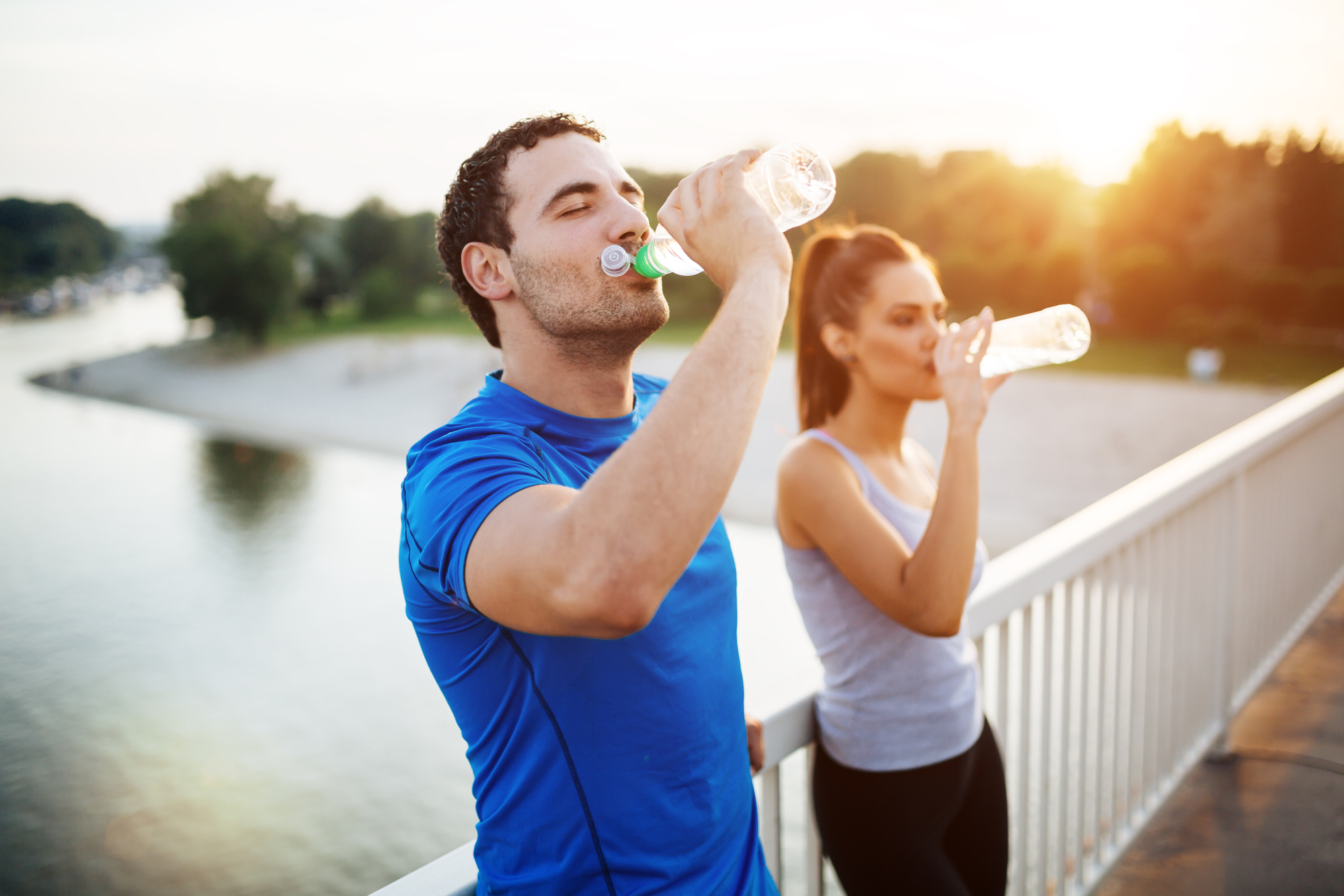
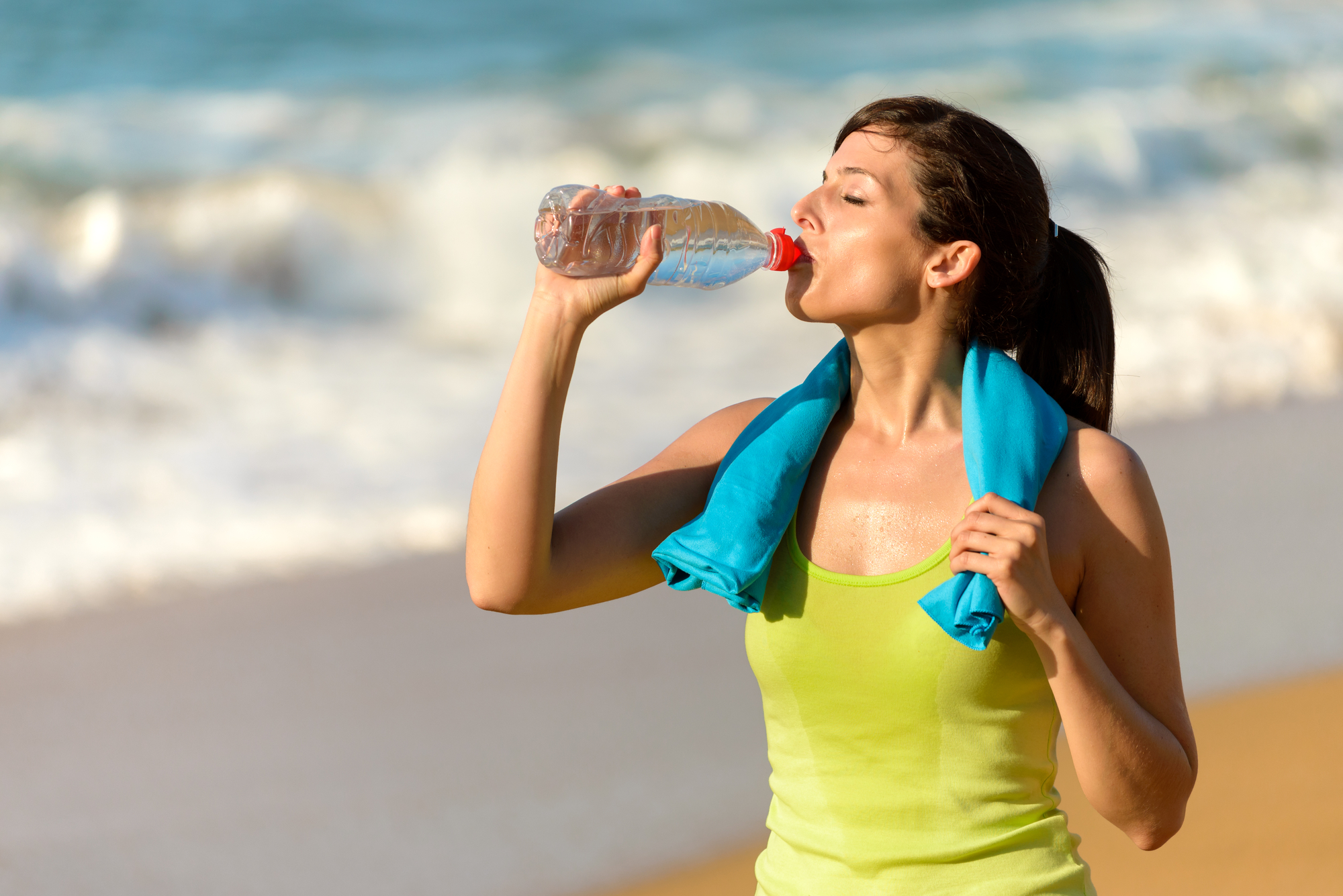
1. Drink Water Before, During, and After Exercise: Before you start exercising, drink plenty of water to ensure that you’re adequately hydrated. During exercise, aim to drink water every 10-20 minutes, and continue to hydrate after your workout is finished.
2. Use Sports Drinks for Extended Exercise: If you’re exercising for longer than an hour, you may need to replenish electrolytes in addition to fluids. Sports drinks can help to replace lost sodium and potassium, but be sure to choose ones without added sugars or artificial sweeteners.
3. Monitor Your Urine Color: The color of your urine can be a good indicator of your hydration status. If your urine is dark yellow or amber-colored, you may be dehydrated and need to drink more fluids.
4. Weigh Yourself Before and After Exercise: Weigh yourself before and after exercise to determine how much fluid you’ve lost. For every pound lost, drink 16-20 ounces of water to replenish lost fluids.
5. Avoid Alcohol and Caffeine: Alcohol and caffeine can have a dehydrating effect on the body, so it’s best to avoid them before and during exercise.
Conclusion
Proper hydration is essential for good health, but it’s especially important during exercise. Staying hydrated can help to regulate your body temperature, improve your performance, and reduce the risk of injury. By following these tips for staying hydrated, you can ensure that you’re getting the fluids you need to stay healthy and perform at your best during physical activity.
you might also like



Book Your Next
therapy session in
Bedminster, NJ