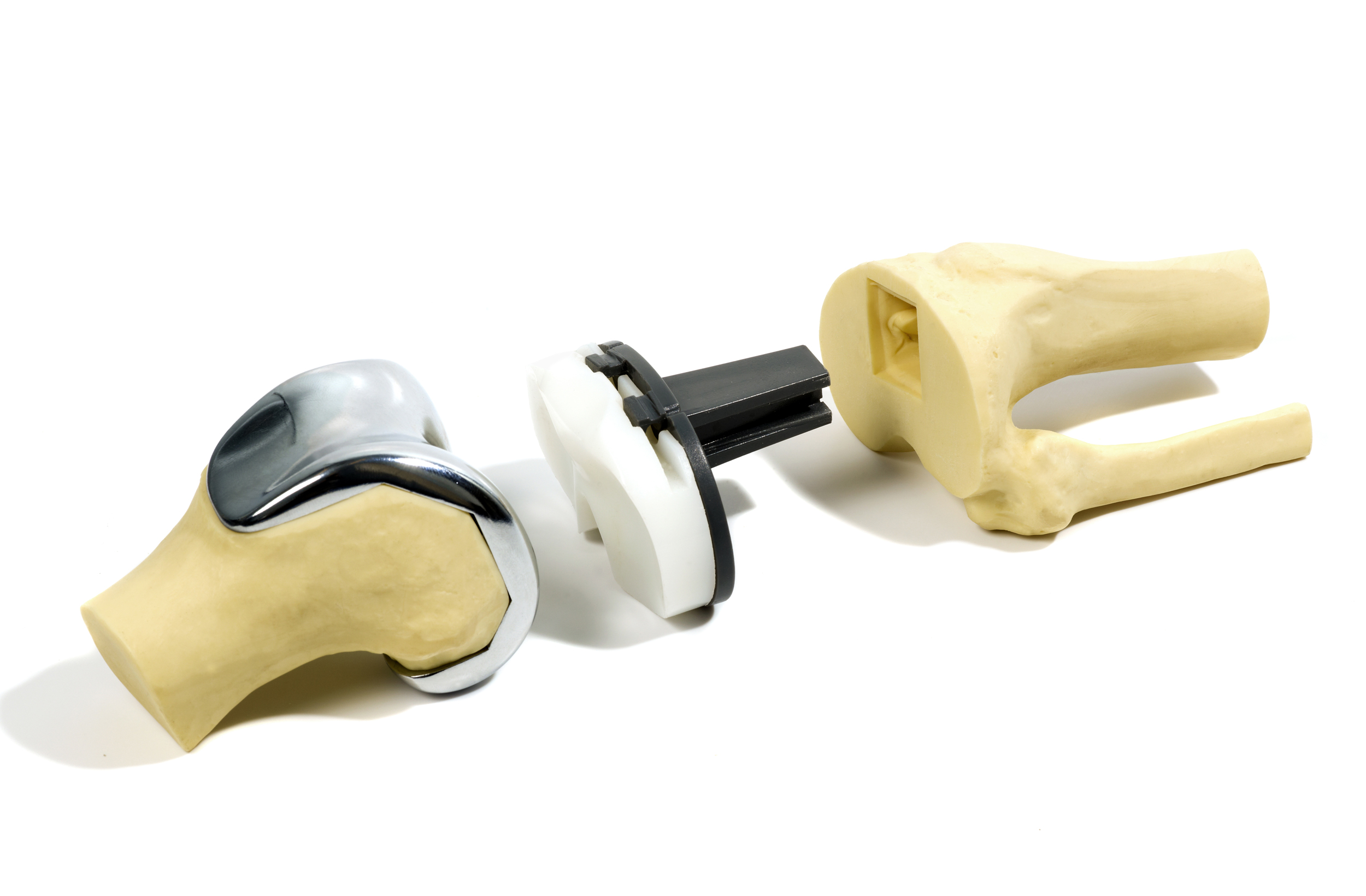
Knee replacement surgery is a common procedure that can help alleviate pain and improve mobility for individuals with knee arthritis or other knee conditions. While the surgery itself is a major undertaking, the recovery process can be just as challenging. In this blog post, we’ll discuss what to expect following a knee replacement, including the timeline for recovery, potential complications, and tips for a successful recovery.
The Timeline for Recovery
Recovery from knee replacement surgery can take several months, and the timeline for recovery can vary depending on the individual and the extent of the surgery. However, here is a general timeline for what to expect following a knee replacement:
1. Hospital Stay: Most patients will stay in the hospital for 1-2 days following the surgery.
2. Rehabilitation in the Hospital: Physical therapy is a critical part of the recovery process, and most patients will start therapy the day after surgery. Initially, therapy will focus on simple exercises to help improve range of motion, prevent blood clots, and ensure functional mobility to safely return home.
3. Return Home: Most patients will be able to return home within a few days of the surgery. It’s important to have a support system in place, if this is not the case a short stay in a rehab center might be recommended. A physical therapist will likely visit you at home for 1-2 weeks prior to beginning outpatient therapy. This is coordinated in the hospital prior to your discharge.
4. Outpatient Physical Therapy: Physical therapy will continue for several weeks or months following the surgery. The focus will be on improving range of motion, strength, balance, and restoring your normal function.
5. Return to Normal Activities: Most patients will be able to return to normal activities within 3-6 months following the surgery. However, it’s important to avoid high-impact activities such as running or jumping in the early stages of recovery.
Potential Complications
Knee replacement surgery is generally safe, but like any surgery, there are potential complications. Some possible complications include:
1. Infection: Infections can occur at the surgical site, and may require antibiotics or even additional surgery.
2. Blood Clots: Blood clots can form in the legs after surgery, and may require blood-thinning medication.
3. Dislocation or Fracture: In rare instances a fracture can develop around the prosthesis or the alignment of the joint may be altered.
Tips for a Successful Recovery
Here are some tips to help ensure a successful recovery following knee replacement surgery:
1. Follow Your Physical Therapy Plan: Physical therapy is crucial for a successful recovery. Be sure to attend all scheduled appointments and complete any exercises or stretches assigned by your therapist.
2. Monitor for Signs of Infection: Keep an eye out for signs of infection such as fever, redness, or discharge at the surgical site.
3. Take Medications as Prescribed: You may be prescribed pain medication or blood thinners following the surgery. Be sure to take these medications as prescribed.
4. Follow Dietary Guidelines: A healthy diet can help speed up the healing process. Be sure to follow any dietary guidelines provided by your doctor or nutritionist.
5. Be Patient: Recovery from knee replacement surgery can take time, and it’s important to be patient. Don’t rush the healing process, and be sure to follow all of your doctor’s instructions.
Conclusion
Knee replacement surgery can be a life-changing procedure for those suffering from knee pain and mobility issues. While the recovery process can be challenging, it’s important to follow your doctor’s instructions and be patient. By doing so, you can ensure a successful recovery and a return to a pain-free, active lifestyle.
you might also like




Book Your Next
therapy session in
Bedminster, NJ